To be the Most Professional Chinese Metal Accessories Supplier

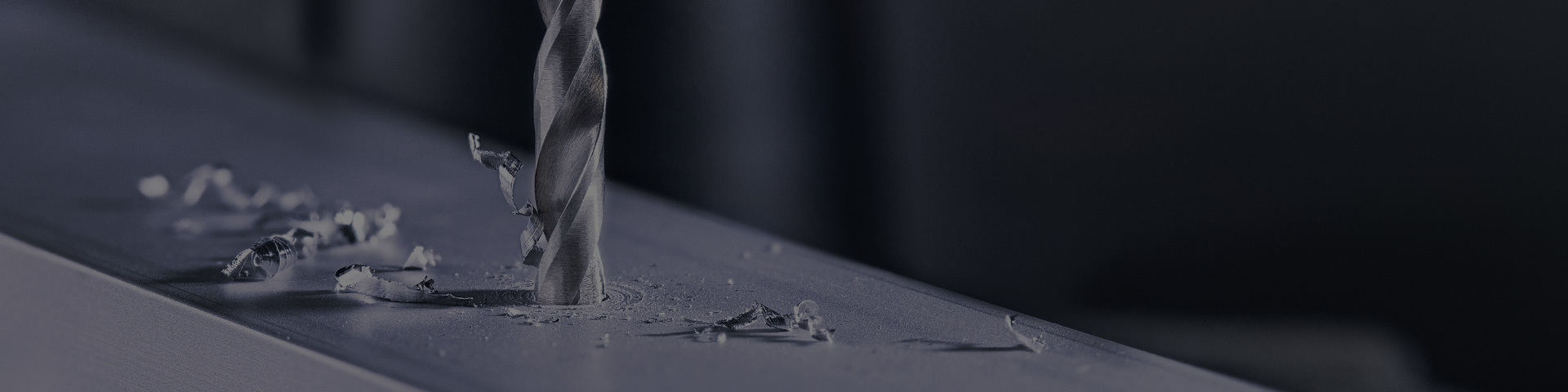
Why Diamond-Coated Dies are Essential for High-Precision Work in Manufacturing
Why Diamond-Coated Dies are Essential for High-Precision Work in Manufacturing Manufacturing processes demand extraordinary precision and reliability. As industries evolve, so do the tools and technologies used to produce intricate parts and components. One significant advancement in this domain is the development of diamond-coated dies. These specialized tools are essential for enhancing precisio

Why Diamond-Coated Dies are Essential for High-Precision Work in Manufacturing
Manufacturing processes demand extraordinary precision and reliability. As industries evolve, so do the tools and technologies used to produce intricate parts and components. One significant advancement in this domain is the development of diamond-coated dies. These specialized tools are essential for enhancing precision in manufacturing processes, particularly in mechanical hardware and mold fabrication. In this article, we will explore the various facets of diamond-coated dies, their benefits, applications, and maintenance practices to ensure optimal performance.
Understanding Diamond-Coated Dies
Diamond-coated dies are tools coated with a thin layer of diamond-like carbon (DLC) to enhance their hardness, wear resistance, and overall performance. The diamond coating is applied through various methods, including chemical vapor deposition (CVD) or physical vapor deposition (PVD). The result is a tool that can withstand the rigors of machining processes while maintaining exceptional precision.
What Makes Diamond Coatings Unique?
The uniqueness of diamond coatings lies in their exceptional properties:
1. **Hardness**: Diamond is the hardest known material, making diamond-coated dies highly resistant to abrasion and wear.
2. **Thermal Conductivity**: High thermal conductivity allows for efficient heat dissipation, reducing the risk of overheating during machining operations.
3. **Low Friction**: The smooth surface of diamond coatings reduces friction, leading to lower energy consumption and improved tool life.
The Manufacturing Process of Diamond-Coated Dies
The production of diamond-coated dies starts with a substrate material, often made from steel or carbide. The chosen substrate is then subjected to a coating process, where a diamond layer is deposited. This process can vary between CVD and PVD methods, each offering distinct advantages in terms of deposition rates and coating uniformity. The result is a die that retains the substrate's toughness while significantly enhancing its wear resistance.
Benefits of Diamond-Coated Dies for High-Precision Work
The integration of diamond-coated dies into manufacturing processes offers numerous advantages that contribute to high precision and efficiency.
1. Enhanced Tool Life
One of the most notable benefits of diamond-coated dies is their prolonged tool life. The hardness of the diamond coating reduces wear and tear during machining, resulting in fewer tool changes and lower production costs. This longevity is particularly beneficial for high-volume production environments, where maintaining efficiency is crucial.
2. Superior Surface Finish
Diamond-coated dies produce superior surface finishes on machined parts. The low friction of the diamond coating minimizes surface imperfections, leading to a smoother finish that meets the demands of high-precision applications. This is particularly critical in industries such as aerospace, automotive, and electronics, where surface quality can impact overall performance.
3. Improved Machining Accuracy
The precision of diamond-coated dies ensures that tolerances are maintained throughout the machining process. This accuracy is vital when producing components that require tight fits and specifications. Manufacturers can achieve consistent results, reducing the risk of defects and rework, which can be costly in terms of both time and resources.
4. Versatility of Applications
Diamond-coated dies are suitable for a wide array of applications, making them an invaluable tool in various manufacturing sectors. From molding and stamping to cutting and machining, these dies can handle different materials, including metals, plastics, and composites. Their versatility allows manufacturers to adapt to changing market demands effectively.
5. Cost-Effectiveness
While the initial investment in diamond-coated dies may be higher than traditional tooling, the long-term cost savings often outweigh this concern. The reduction in tool changes, less downtime, and improved productivity contribute to a favorable return on investment (ROI). Moreover, the enhanced quality of components can lead to lower rejection rates and higher customer satisfaction.
Applications of Diamond-Coated Dies in Manufacturing
The applications of diamond-coated dies are vast and varied, touching upon numerous sectors within the manufacturing industry.
1. Automotive Industry
In automotive manufacturing, precision is paramount. Diamond-coated dies are used in the production of engine components, transmission parts, and other critical elements. The durability and precision of these dies contribute to the overall quality and performance of vehicles.
2. Aerospace Sector
The aerospace industry demands components that can withstand extreme conditions. Diamond-coated dies are used to manufacture critical parts such as turbine blades and structural components, ensuring they meet stringent performance and safety standards.
3. Electronics Manufacturing
In electronics, where components are becoming increasingly miniaturized, diamond-coated dies play a crucial role in producing high-precision parts. The ability to maintain tight tolerances and achieve superior surface finishes makes these dies ideal for applications in circuit boards and semiconductor manufacturing.
4. Medical Device Production
The medical device industry requires components that are not only precise but also biocompatible. Diamond-coated dies facilitate the production of surgical instruments, implants, and diagnostic equipment, ensuring that they meet the rigorous standards of this sector.
5. Mold Making
Mold making is another area where diamond-coated dies shine. The ability to create intricate shapes with high precision allows manufacturers to produce molds for various applications, from plastics to metal injection molding.
Maintenance Tips for Diamond-Coated Dies
To maximize the performance and longevity of diamond-coated dies, proper maintenance practices are essential.
1. Regular Inspection
Routine inspections of diamond-coated dies help identify any signs of wear or damage early on. Look for chipping, dullness, or other irregularities that may affect performance.
2. Cleaning Procedures
Keep the dies clean to prevent debris buildup, which can affect their functionality. Use appropriate cleaning agents that won't harm the diamond coating, and ensure that the dies are thoroughly dried after cleaning.
3. Proper Storage
Store diamond-coated dies in a controlled environment, protected from moisture and extreme temperatures. Proper storage helps prevent damage and maintains their performance characteristics.
4. Calibration and Alignment
Ensure that the dies are correctly calibrated and aligned during use. Misalignment can lead to irregular wear and reduce the precision of the machining process, counteracting the benefits of diamond coatings.
5. Adherence to Manufacturer Guidelines
Always follow the manufacturer's guidelines for the use and maintenance of diamond-coated dies. They provide valuable insights on best practices tailored to specific coatings and applications.
FAQs about Diamond-Coated Dies
1. What industries benefit the most from diamond-coated dies?
Diamond-coated dies are widely used in the automotive, aerospace, electronics, medical device production, and mold-making industries due to their precision and durability.
2. How does the cost of diamond-coated dies compare to traditional dies?
While diamond-coated dies may have a higher initial cost, their longer lifespan and improved performance often result in lower overall costs in high-volume manufacturing.
3. Can diamond-coated dies be reused after sharpening?
Sharpening diamond-coated dies is not typically recommended as it can damage the coating. Instead, they should be replaced when wear is evident.
4. What are the main advantages of using diamond-coated dies over carbide dies?
Diamond-coated dies offer superior hardness, improved surface finishes, and longer tool life compared to carbide dies, making them ideal for high-precision applications.
5. How can I determine if my diamond-coated die needs replacement?
Signs of wear, such as reduced cutting effectiveness, chipping, or visible surface damage, indicate that it may be time to replace the die.
Conclusion
In the realm of high-precision manufacturing, diamond-coated dies have emerged as essential tools that significantly enhance productivity and quality. Their unparalleled hardness, superior surface finish, and adaptability make them indispensable in various industries. By understanding the benefits, applications, and maintenance of these advanced tools, manufacturers can leverage their capabilities to achieve outstanding results. Investing in diamond-coated dies not only ensures precision but also promotes long-term cost savings and operational efficiency, making them a smart choice for any forward-thinking manufacturing operation.
Diamond-coated dies
Tel
Address
Tangzhuang Village, Beishicao Township, Hejian City, Hebei Province
Our company has always adhered to the tenet of honest operation, serving customers, benefiting employees and contributing to society. We strictly control product quality and provide high-quality after-sales service. We also offer free consultation services to customers
Product Quick Entry
Online message