To be the Most Professional Chinese Metal Accessories Supplier

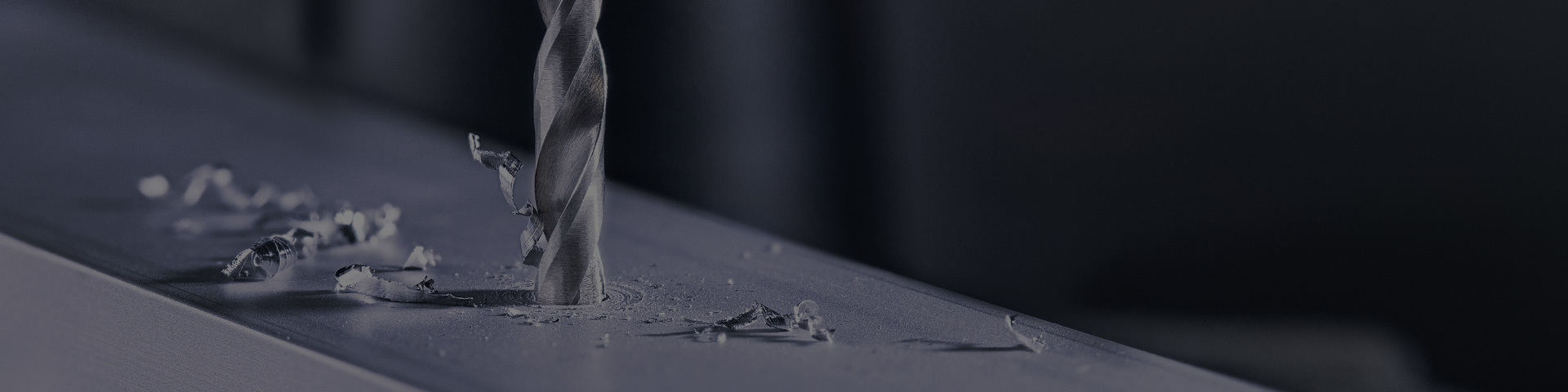
Exploring the Benefits and Applications of Diamond-Coated Dies in Precision Manufacturing
Diamond-coated dies are increasingly gaining traction in the manufacturing sector, particularly in the fields of mechanical hardware processing and mold fabrication. These specialized tools, coated with a thin layer of synthetic diamond, showcase remarkable performance characteristics that can dramatically enhance manufacturing efficiency and product quality. One of the primary advantages of diamo

One of the primary advantages of diamond-coated dies is their exceptional hardness. Diamond is the hardest known material, which imparts significant wear resistance to the die. This means that components manufactured with these dies endure less wear over time, resulting in a longer lifespan for the tool itself. Consequently, this reduces the frequency of die replacements and maintenance, thereby minimizing downtime and operational costs.
In addition to their durability, diamond-coated dies excel in precision applications. The smooth surface of the diamond coating promotes better material flow during the die-casting or stamping process. This results in tighter tolerances and higher dimensional accuracy of the finished products. For industries where precision is paramount, such as automotive or aerospace, the use of diamond-coated dies can lead to significant improvements in product performance and reliability.
Moreover, diamond-coated dies are compatible with a wide range of materials, including metals, plastics, and composites. This versatility makes them an attractive option for manufacturers seeking to optimize their processes across various applications. By utilizing diamond-coated technology, companies can increase their production capabilities without the need for extensive modifications to existing equipment.
The thermal conductivity of diamond is another critical factor that enhances the performance of diamond-coated dies. The ability to dissipate heat rapidly reduces the risk of thermal distortion during machining processes, allowing for sustained high-speed operations. This thermal stability contributes to maintaining consistent quality across production runs, further solidifying the case for adopting diamond-coated dies.
It is also worth noting that while the initial investment in diamond-coated dies may be higher compared to conventional options, the long-term benefits often outweigh these costs. The savings accrued through reduced maintenance, extended tool life, and enhanced production capabilities can lead to significant financial advantages over time.
In conclusion, diamond-coated dies represent a cutting-edge solution for the manufacturing industry, combining exceptional durability, precision, and versatility. As professionals in the field continue to seek innovative ways to enhance production efficiency and product quality, the adoption of diamond-coated technology is likely to become increasingly prevalent. Embracing these advanced tools can significantly position manufacturers for success in a competitive landscape.
Diamond-coated dies
Tel
Address
Tangzhuang Village, Beishicao Township, Hejian City, Hebei Province
Our company has always adhered to the tenet of honest operation, serving customers, benefiting employees and contributing to society. We strictly control product quality and provide high-quality after-sales service. We also offer free consultation services to customers
Product Quick Entry
Online message