To be the Most Professional Chinese Metal Accessories Supplier

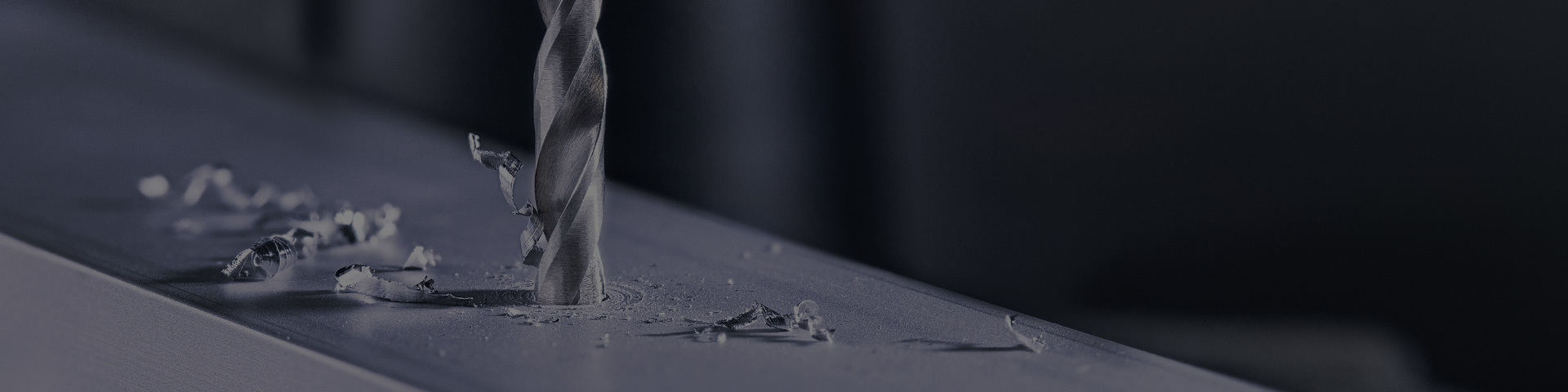
Innovative Applications and Advantages of Diamond-Coated Dies in Precision Manufacturing
In the realm of manufacturing, particularly in machining and mold processing, the choice of die materials greatly influences the quality and efficiency of production. Diamond-coated dies are increasingly recognized as a game-changer in this regard. These specialized tools, coated with a thin layer of synthetic diamond, offer a range of advantages that can significantly enhance operational performa

One of the most notable benefits of diamond-coated dies is their exceptional hardness. With a ranking of 10 on the Mohs scale, diamond is the hardest known material, making these dies highly resistant to wear and abrasion. This characteristic not only extends the lifespan of the dies but also reduces the frequency of replacements and maintenance, contributing to lower operational costs over time. In industries where precision machining is paramount, the durability of diamond-coated dies ensures consistent quality and dimensional accuracy in the products being manufactured.
Another advantage of diamond-coated dies is their excellent thermal conductivity. This property enables better heat dissipation during the machining process, which can minimize thermal deformation and enhance the performance of the machining operation. By maintaining optimal temperatures, manufacturers can achieve higher cutting speeds without compromising the quality of the finished product. Furthermore, the reduced friction associated with diamond coating leads to less heat generation, further preserving the integrity of both the die and the workpiece.
The application of diamond-coated dies extends across various manufacturing processes, including stamping, forging, and injection molding. In these processes, the enhanced cutting performance of diamond-coated dies can lead to improved surface finishes and tighter tolerances, which are critical for high-quality production. For example, in injection molding, the use of diamond-coated dies can lead to sharper edges and finer details, meeting the increasing demands for precision in consumer products.
Moreover, the chemical inertness of diamond coatings makes them ideal for use with a variety of materials, including abrasive composites and difficult-to-machine alloys. This versatility allows manufacturers to expand their operational capabilities and take on more complex projects without worrying about tool degradation.
In conclusion, the integration of diamond-coated dies in manufacturing processes represents a significant technological advancement that can drive efficiency and product quality. By leveraging the unique properties of diamond, manufacturers can improve their operational reliability while meeting the stringent demands of modern production. As the industry continues to evolve, adopting such innovative tools will be essential for staying competitive and achieving sustainable growth. The future of precision machining is undoubtedly bright with the application of diamond-coated dies.
Diamond-coated dies
Tel
Address
Tangzhuang Village, Beishicao Township, Hejian City, Hebei Province
Our company has always adhered to the tenet of honest operation, serving customers, benefiting employees and contributing to society. We strictly control product quality and provide high-quality after-sales service. We also offer free consultation services to customers
Product Quick Entry
Online message