To be the Most Professional Chinese Metal Accessories Supplier

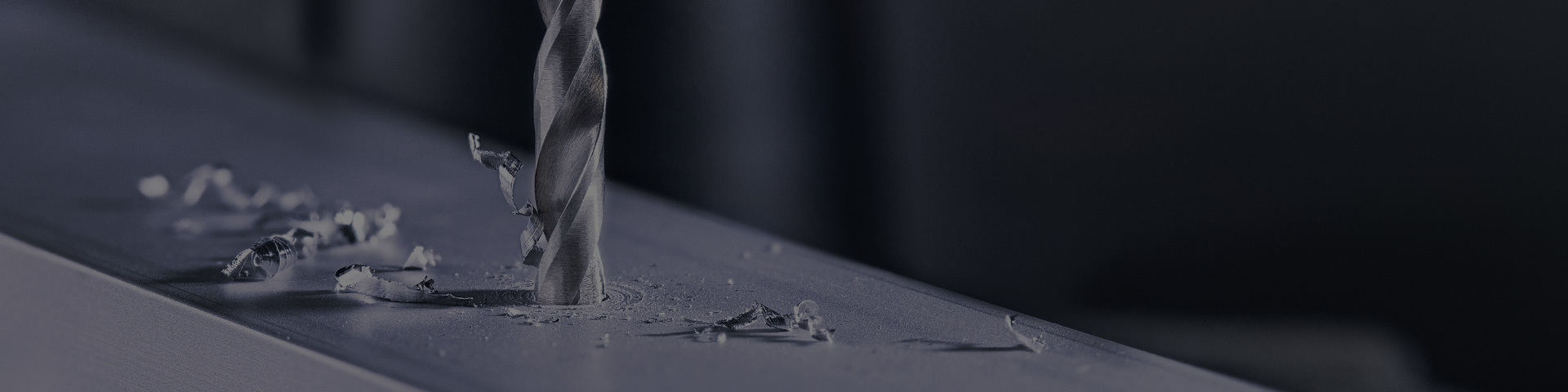
Maximize Efficiency and Longevity with Diamond-Coated Dies in Metalworking
In the competitive landscape of manufacturing and metalworking, the choice of tools and dies can significantly influence operational efficiency and product quality. One of the most innovative advancements in this space is the development of diamond-coated dies. These specialized tools are engineered to meet the demanding needs of industries such as mold processing and metal fabrication. In this ar

Diamond-coated dies feature a thin layer of synthetic diamond, which is applied to the surface of traditional dies using advanced deposition techniques. This unique coating offers several advantages over conventional materials, including exceptional wear resistance, increased hardness, and reduced friction. The use of diamond-coated dies translates into longer tool life, which minimizes the frequency of replacements and lowers maintenance costs.
One of the standout benefits of diamond-coated dies is their ability to maintain precision during high-volume production runs. The superior hardness of diamond means that these tools can withstand the intense pressures and abrasiveness encountered during machining operations without degrading. This precision is crucial for manufacturers aiming to produce components with tight tolerances and high-quality finishes. By reducing tool wear, diamond-coated dies help ensure that the final products meet stringent specifications, ultimately improving customer satisfaction and brand reputation.
In addition to their durability, diamond-coated dies can significantly enhance process efficiency. The reduced friction associated with these tools allows for smoother operation, enabling faster machining speeds without overheating or damaging the material being processed. This efficiency not only accelerates production timelines but also decreases energy consumption, aligning with the growing emphasis on sustainable manufacturing practices.
Moreover, diamond-coating technology is versatile and can be applied to various die types, including those used for stamping, extrusion, and injection molding. This adaptability makes it a suitable choice for a wide range of materials, from metals to polymers. As the demand for complex geometries and multi-material components increases, the ability to utilize diamond-coated dies can provide manufacturers with a competitive edge.
In conclusion, integrating diamond-coated dies into the manufacturing process can yield substantial benefits, including enhanced tool longevity, improved precision, and greater operational efficiency. As industries continue to evolve, embracing innovative technologies like diamond-coating will be essential for staying ahead of the competition. By investing in these advanced tools, manufacturers can position themselves for success in the ever-changing landscape of machining and mold-making.
Diamond-coated dies
Tel
Address
Tangzhuang Village, Beishicao Township, Hejian City, Hebei Province
Our company has always adhered to the tenet of honest operation, serving customers, benefiting employees and contributing to society. We strictly control product quality and provide high-quality after-sales service. We also offer free consultation services to customers
Product Quick Entry
Online message