To be the Most Professional Chinese Metal Accessories Supplier

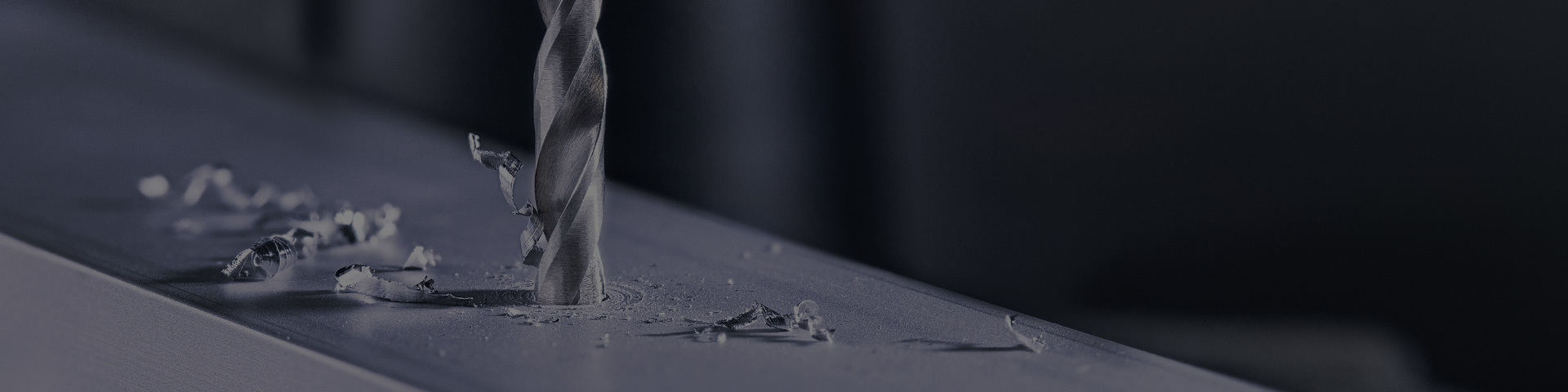
Understanding Diamond-Coated Dies: Enhancing Efficiency in Machining Processes
Diamond-coated dies represent a significant advancement in the machining and manufacturing sector, particularly in the field of mold processing. These tools, which are coated with a thin layer of diamond, offer remarkable properties that enhance performance and longevity compared to traditional die materials. One of the primary advantages of diamond-coated dies is their exceptional hardness. Diamo

One of the primary advantages of diamond-coated dies is their exceptional hardness. Diamond is known as the hardest natural material, which translates into increased wear resistance. This property is especially beneficial in high-volume production environments where tooling longevity is critical. By using diamond-coated dies, manufacturers can reduce the frequency of tool replacements, leading to lower operational costs and increased productivity.
Another significant benefit of diamond-coated dies is their ability to maintain sharp cutting edges over extended periods. Traditional dies may wear down quickly, leading to a decline in product quality and precision. In contrast, diamond coatings resist abrasion and deformation, ensuring that the dies produce consistently accurate components. This stability is crucial for industries that demand high precision, such as aerospace, automotive, and electronics.
The use of diamond-coated dies also allows for faster machining speeds. The low friction characteristics of diamond coatings enable smoother cutting operations, which can lead to enhanced throughput. This efficiency not only shortens production cycles but also minimizes energy consumption, making diamond-coated dies an environmentally friendly option in the manufacturing process.
Moreover, diamond-coated dies are particularly effective when working with difficult-to-machine materials, such as composites and advanced alloys. These materials can pose significant challenges due to their toughness and tendency to cause rapid wear on traditional dies. The superior cutting performance of diamond coatings helps manufacturers tackle these challenges head-on, expanding their capabilities and enabling the creation of complex geometric shapes with ease.
It's important to note that while diamond-coated dies offer numerous advantages, they also require specific handling and maintenance practices. Proper care can ensure that these tools perform at their best throughout their lifespan. For example, avoiding contact with steel surfaces during storage and using appropriate coolant systems during machining can help preserve the integrity of the diamond coating.
In conclusion, diamond-coated dies are a powerful tool for manufacturers looking to enhance their machining processes. Their exceptional hardness, wear resistance, and ability to maintain cutting precision make them an invaluable asset in mold processing and other manufacturing applications. By investing in diamond-coated dies, companies can not only improve their operational efficiency but also achieve superior product quality, setting themselves apart in a competitive market.
Diamond-coated dies
Tel
Address
Tangzhuang Village, Beishicao Township, Hejian City, Hebei Province
Our company has always adhered to the tenet of honest operation, serving customers, benefiting employees and contributing to society. We strictly control product quality and provide high-quality after-sales service. We also offer free consultation services to customers
Product Quick Entry
Online message