To be the Most Professional Chinese Metal Accessories Supplier

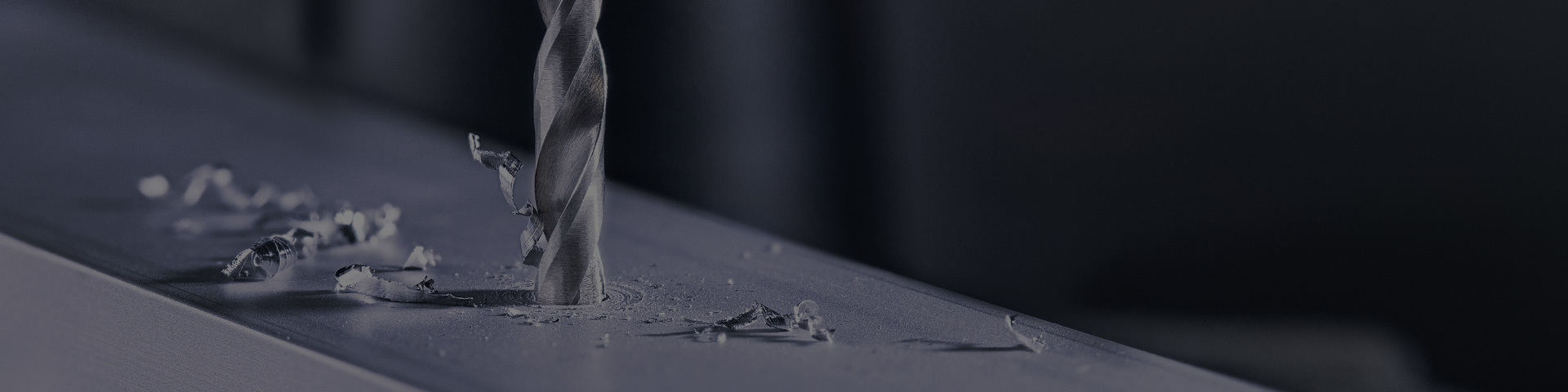
Unlocking the Benefits of Diamond-Coated Dies in Precision Machining
Diamond-coated dies are increasingly becoming a vital component in the manufacturing and machining industries, especially in die casting and metal forming applications. The coating is achieved through a process known as Chemical Vapor Deposition (CVD), where diamond particles are deposited onto the surface of the dies. This results in a die that possesses extraordinary hardness and wear resistance

One of the most significant advantages of diamond-coated dies is their exceptional durability. The hardness of diamond is unparalleled, allowing these dies to withstand the rigors of machining without degrading quickly. This durability translates to longer tool life, reduced downtime for replacements, and ultimately lower production costs. For manufacturers, this means improved efficiency and the ability to maintain tighter tolerances in their production processes.
Another notable benefit of diamond-coated dies is their excellent thermal conductivity. This property allows for better heat dissipation during machining operations, reducing the chances of thermal deformation and ensuring that the dies maintain their shape and precision over time. This is particularly important in high-speed machining environments where excessive heat can lead to tool failure and compromised part quality.
Moreover, diamond coatings provide superior friction properties. The low coefficient of friction that diamond exhibits reduces wear on both the die and the workpiece materials, resulting in cleaner finishes and reduced surface defects. This can be especially advantageous in applications involving difficult-to-machine materials, such as composites, plastics, and non-ferrous metals, where traditional tooling may struggle to perform adequately.
The application of diamond-coated dies is not limited to just one sector; they are extensively used in various industries, including aerospace, automotive, electronics, and medical device manufacturing. As production demands continue to evolve, the versatility of diamond-coated dies makes them a suitable choice for a wide range of machining applications, from intricate component fabrication to high-volume production runs.
In conclusion, incorporating diamond-coated dies into your machining processes can lead to significant improvements in both efficiency and product quality. Their unmatched hardness, excellent thermal conductivity, and low friction properties make them an invaluable asset for manufacturers aiming for precision and durability. As the industry continues to advance, embracing innovative technologies like diamond coatings will be crucial for staying competitive and meeting the increasing demands of modern manufacturing.
Diamond-coated dies
Tel
Address
Tangzhuang Village, Beishicao Township, Hejian City, Hebei Province
Our company has always adhered to the tenet of honest operation, serving customers, benefiting employees and contributing to society. We strictly control product quality and provide high-quality after-sales service. We also offer free consultation services to customers
Product Quick Entry
Online message