To be the Most Professional Chinese Metal Accessories Supplier

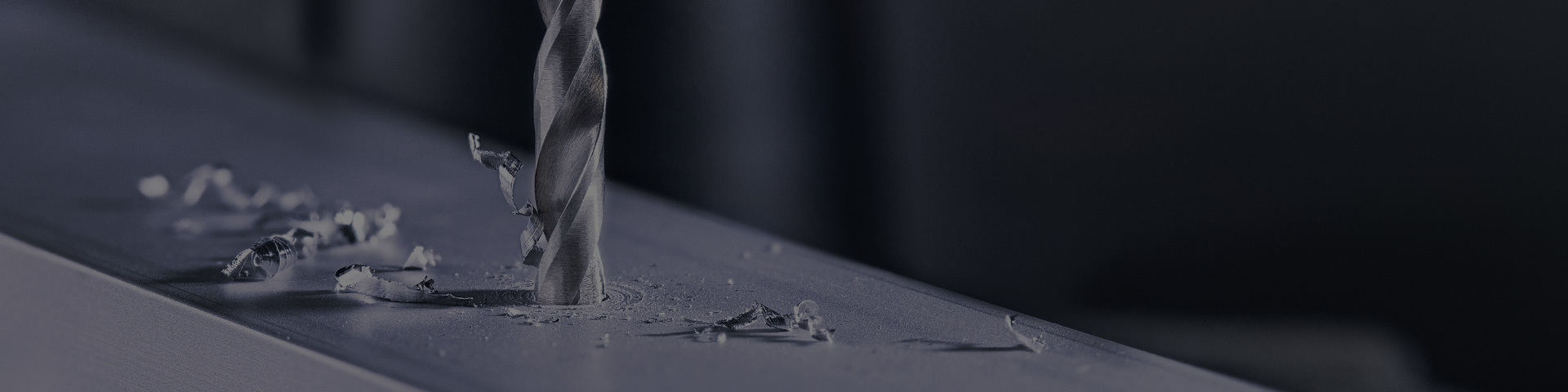
Unlocking Efficiency: The Advantages of Diamond-Coated Dies in Precision Manufacturing
Diamond-coated dies have emerged as a game-changer in the manufacturing and machining sectors. These specialized tools are engineered with a thin layer of diamond, which is renowned for its hardness and durability. The application of diamond coatings significantly improves the performance of dies in various manufacturing processes, particularly in mold making and machining operations. One of the m

One of the most notable benefits of using diamond-coated dies is their superior wear resistance. Traditional tooling materials often suffer from wear and tear, leading to frequent replacements and increased downtime. However, the exceptional hardness of diamond allows these dies to withstand extensive use, thereby reducing wear and prolonging tool life. This characteristic can lead to lower operational costs as manufacturers spend less on replacements and maintenance.
Moreover, diamond-coated dies provide enhanced thermal conductivity. This property is essential in high-speed machining operations where heat generation can lead to tool degradation. The efficient heat dissipation capabilities of diamond coatings ensure that the dies maintain their integrity even under intense operating conditions. This can lead to improved machining speeds without compromising the quality of the final product.
Additionally, diamond-coated dies contribute to improved surface finishes of machined parts. The smooth, non-stick nature of diamond coatings minimizes friction, which not only aids in achieving finer tolerances but also enhances the aesthetic quality of the machined surfaces. This is particularly beneficial in industries where surface finish is critical, such as automotive and aerospace sectors.
Furthermore, diamond coatings are chemically inert, making them resistant to most acids and alkalis. This property allows them to be used in a wider range of applications without the risk of chemical corrosion that often plagues traditional dies. As a result, manufacturers can utilize these dies across various materials, including metals, plastics, and composites.
In conclusion, diamond-coated dies present a multitude of advantages that can significantly enhance manufacturing processes. From extending tool life and reducing operational costs to improving surface finishes and offering versatility in material processing, these advanced tools are an investment worth considering. As the industry continues to evolve, leveraging the benefits of diamond-coated dies can help manufacturers stay competitive and meet the growing demands for precision and quality in their products.
Diamond-coated dies
Tel
Address
Tangzhuang Village, Beishicao Township, Hejian City, Hebei Province
Our company has always adhered to the tenet of honest operation, serving customers, benefiting employees and contributing to society. We strictly control product quality and provide high-quality after-sales service. We also offer free consultation services to customers
Product Quick Entry
Online message