To be the Most Professional Chinese Metal Accessories Supplier

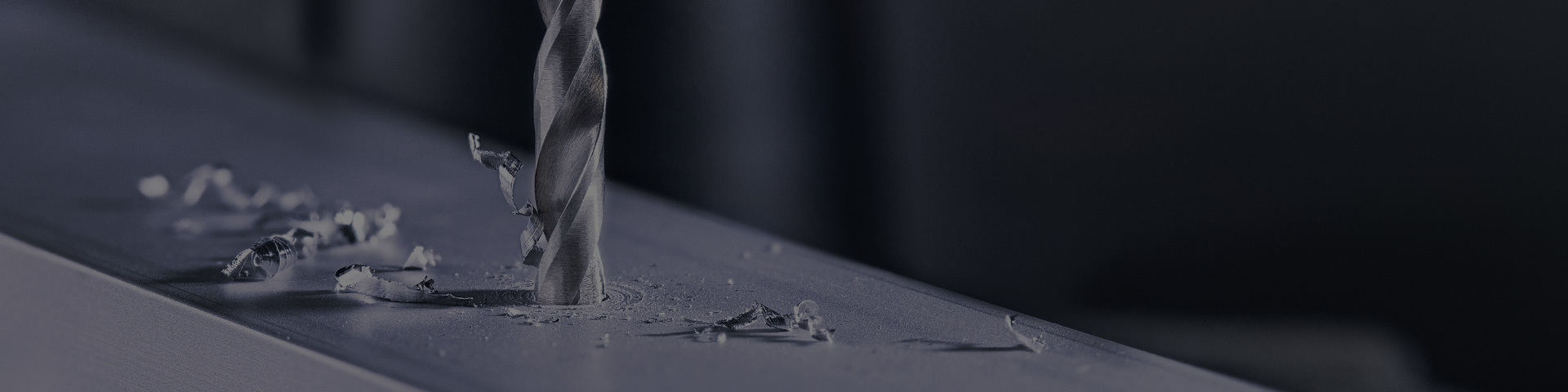
The Advantages of Diamond-Coated Dies in Precision Manufacturing
Diamond-coated dies have emerged as a transformative element in the manufacturing and machining industries. Their application in die cutting, forming, and shaping processes has garnered attention due to their unique properties that significantly enhance production efficiency and quality. One of the primary advantages of diamond-coated dies lies in their exceptional hardness. Diamond is one of the

One of the primary advantages of diamond-coated dies lies in their exceptional hardness. Diamond is one of the hardest known materials, allowing these dies to withstand extreme wear and tear. This hardness translates into a longer tool lifespan compared to traditional dies made from steel or carbide, which often require frequent replacements. Consequently, manufacturers can reduce downtime and maintenance costs, leading to higher overall productivity.
In addition to durability, diamond-coated dies provide superior surface finish and precision. The smooth surface of diamond coatings minimizes friction during the cutting process, resulting in cleaner cuts and less material deformation. This precision is critical in industries where tolerances are tight, and even minor discrepancies can lead to significant financial losses or product failures. With diamond-coated dies, manufacturers can achieve higher accuracy in their machining processes, ultimately enhancing product quality.
Moreover, diamond coatings exhibit excellent thermal conductivity, which helps dissipate heat generated during machining. Excessive heat can lead to tool deformation and decreased performance. By utilizing diamond-coated dies, manufacturers can maintain optimal operating temperatures, ensuring consistent performance and reducing the risk of tool failure. This thermal stability is especially beneficial in high-speed machining applications, where temperatures can rise rapidly.
Another significant benefit of diamond-coated dies is their chemical inertness. Diamond coatings are resistant to most chemicals, making them ideal for use with abrasive materials or corrosive environments. This resistance not only prolongs the life of the dies but also ensures that they maintain their cutting performance over time, even in challenging conditions.
When considering the implementation of diamond-coated dies, it is essential for manufacturers to assess the initial investment against the long-term benefits. While the upfront cost may be higher than conventional dies, the potential for increased productivity, reduced maintenance, and enhanced product quality can result in significant savings over time.
In conclusion, diamond-coated dies present an array of advantages that can significantly benefit manufacturers in the machining and mold fabrication industries. Their hardness, precision, thermal stability, and chemical resistance make them an invaluable asset for companies seeking to improve their production processes and enhance product quality. As the industry continues to evolve, the adoption of such advanced tooling solutions will likely become a cornerstone of competitive manufacturing.
Diamond-coated dies
Prev
Tel
Address
Tangzhuang Village, Beishicao Township, Hejian City, Hebei Province
Our company has always adhered to the tenet of honest operation, serving customers, benefiting employees and contributing to society. We strictly control product quality and provide high-quality after-sales service. We also offer free consultation services to customers
Product Quick Entry
Online message